

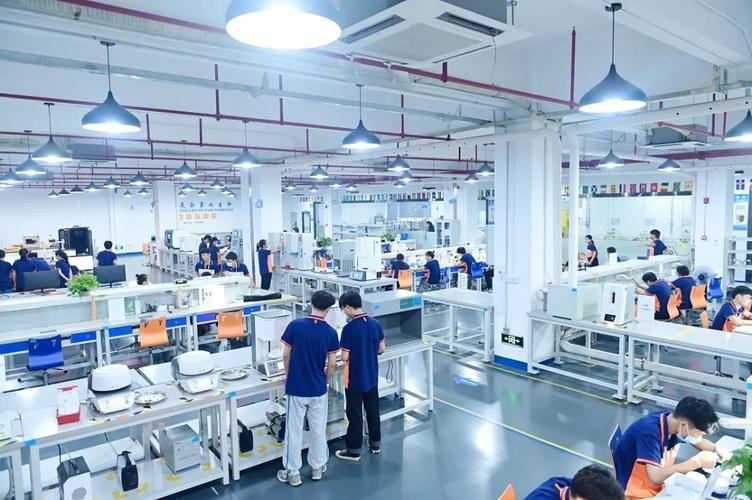
The dental laboratory industry is at a crossroads. As corporate consolidation reshapes the competitive landscape and a growing labor shortage threatens to disrupt traditional workflows, lab owners and technicians must adapt to survive. The rise of large commercial mega-labs acquiring smaller, local boutique operations has forced technicians to rethink their market value, skills, and even their business models. Simultaneously, the industry faces a critical challenge:
finding skilled younger technicians who can bridge the gap between classical hand-instrument artistry and modern digital CAD/CAM fluency.
This blog post explores these trends, their implications for dental labs, and how businesses can strategically position themselves for the future. We’ll also examine the balance between manual casting and digital fabrication, and how labs can optimize their laboratory layout and laboratory equipment choicesto stay competitive.
The Rise of Corporate Consolidation in Dental Labs Why Consolidation is Happening
Corporate consolidation in the dental lab industry is driven by several factors:
• Economies of Scale: Mega-labs leverage bulk purchasing power, centralized production, and streamlined logistics to reduce costs.
• Technological Investment: Large labs can afford high-end digital equipment (e.g., 5-axis milling machines, 3D printers) that smaller labs may struggle to justify.
• Market Demand: Dental practices increasingly prefer working with labs that offer fast turnaround times, digital workflows, and consistent quality—areas where mega-labs excel.
Impact on Small and Boutique Labs
| Aspect | Mega-Labs | Boutique Labs |
| Pricing Power | Competitive due to volume discounts | Higher costs, niche pricing |
| Technology Access | Cutting-edge CAD/CAM, automation | Limited by budget, often manual |
| Client Relationships | Transactional, standardized processes | Personalized, hands-on collaboration |
| Flexibility | Rigid, process-driven | Adaptable, custom solutions |
For boutique labs, consolidation isn’t necessarily a death knell. Instead, it’s an opportunity to differentiate. While mega-labs dominate in volume and speed, smaller labs can carve out a niche by:
• Focusing on artistry: Highlighting the precision and customization of handcrafted prosthetics.
• Offering hybrid workflows: Combining manual techniques with selective digital tools (e.g., using a Dentsma 3D printer for models but hand-waxing for final touches).
• Building local relationships: Partnering with dental practices that value craftsmanship and personalized service.
The Labor Shortage: Bridging the Skills Gap The Problem
The dental lab industry is facing a critical shortage of skilled technicians, particularly those who can:
1. Master classical manual techniques (e.g., waxing, casting, finishing).
2. Navigate digital workflows (e.g., CAD/CAM design, 3D printing, milling).
Many younger technicians enter the field with digital skills but lack the foundational artistry of traditional methods. Conversely, veteran technicians may resist adopting new technologies, creating a knowledge gap.
Why the Gap Exists
• Education: Dental technology programs often emphasize either manual or digital skills, rarely both.
• Perception:Younger generations may view dental lab work as less prestigious or financially rewarding compared to other healthcare careers.
• Training Costs: Investing in dual-skill training (manual + digital) is expensive and time-consuming for labs.
Solutions for Labs
To address the labor shortage, labs can:
1. Invest in Cross-Training:
• Pair experienced manual technicians with digital-savvy new hires for mentorship.
• Offer workshops on hybrid workflows (e.g., using amanual casting equipment alongside their digital milling units).
1. Modernize Recruitment:
• Highlight the artistic and technical aspects of the job to attract creative and tech-oriented candidates.
• Partner with dental schools to create apprenticeship programs.
1. Adopt Hybrid Workflows:
• Use digital tools for repetitive tasks (e.g., model printing) while reserving manual techniques for high-precision, custom work.
• Example:A lab might use a Dentsma 16.8μm high-definition printer for models but rely on hand-waxing for gingival anatomy.
Manual vs. Digital: Finding the Right Balan
The debate between manual hand artistry and digital CAD/CAM workflows is a false dichotomy. The most successful labs integrate both, leveraging the strengths of each approach.
Comparison: Casting vs. Digital Workflow Essential Laboratory Equipment
| Workflow Step | Casting (Traditional) | Digital (CAD/CAM) |
| Foundation/Capture | Impression pouring, vibrators, trimmers | Intraoral scanners, optical scanners |
| Design Phase | Hand-waxing, articulators, surveyors | CAD software (e.g., 3Shape, Exocad) |
| Material Processing | Burnout ovens, casting units (centrifugal/induction) | 5-axis milling, 3D printing (16.8μm/30μm) |
| Sintering/Post-Process | Porcelain furnaces, manual lathes | Zirconia sintering furnaces, robotic polishers |
| Strengths | Customization, artistry, tactile control | Speed, precision, reproducibility |
| Weaknesses | Time-consuming, labor-intensive | High upfront costs, less customization |
When to Use Each Approach
• Manual Workflows Excel For:
◦ Flexible partial dentures (requires hand-cranking nylon into molds).
◦ Conventional complete dentures (acrylic processing with brass flasks).
◦ Highly customized prosthetics (e.g., complex gingival contours).
• Digital Workflows Excel For:
◦ Full-arch implant bars (5-axis milling ensures passive fit).
◦ High-volume production (3D printing for models or try-ins).
◦ Standardized restorations (e.g., crowns, bridges with consistent margins).
Hybrid Workflow Example
A lab specializing in removable partial dentures (RPDs) might:
1. Use a digital scanner to capture impressions.
2. Design the RPD frame in CAD software.
3. Mill the metal framework using a 5-axis dental milling machine.
4. Hand-wax and finish the gingival portions for a natural look.
5. Use a manual flexible injection machine for the nylon partial.
This approach combines digital precision with manual artistry, offering the best of both worlds.
Laboratory Layout and Equipment: Optimizing for the Future
Designing a Flexible Lab Layout
A well-designed lab should accommodate both manual and digital workflows. Consider:
• Zoning by Workflow:
◦ Manual Zone: Model prep (vibrators, trimmers), waxing (Bunsen burners, articulators), and finishing (micromotors, lathes).
◦ Digital Zone: Scanners, CAD stations, 3D printers, and milling machines.
◦ Hybrid Zone: Equipment that bridges both (e.g., Dentsma’s burnout ovens for both PFM and digital wax patterns).
• Ergonomics and Flow:
◦Arrange equipment to minimize movement between steps (e.g., place the manual dental surveyor near the model trimmer).
◦ Ensure digital workstations are close to milling/printing units for efficiency.
Essential Equipment for a Hybrid Lab
For labs looking to balance manual and digital, here’s a curated list of lab equipment to consider:
Manual Equipment
• Casting & Melting: Centrifugal casting machines, induction casting units.
• Thermal Processing: Burnout ovens, PFM porcelain furnaces.
• Finishing:Vacuum mixers, sandblasters, electrolytic polishers, micromotors. Digital Equipment (From Dentsma’s Advanced Series)
• Milling: 5-axis dental milling machine (for titanium, zirconia, lithium disilicate).
• 3D Printing: 16.8μm high-definition printer (models), 30μm standard printer(RPD try-ins, gingiva masks).
• Scanning: Benchtop optical scanners or intraoral scanners.
Hybrid Equipment
• Articulators: Semi-adjustable or mean-value (for both manual and digital case mounting).
• Flexible Processing: Manual flexible injection machine (for nylon partials).
• Acrylic Processing: Brass/aluminum denture flasks, water curing tanks.
Strategic Recommendations for Dental Labs
1. Assess Your Market Position
• Are you a boutique lab competing on artistry and customization? Double down on manual techniques and hybrid workflows.
• Are you a high-volume lab? Invest in digital automation and standardization.
2. Invest in Dual-Skill Training
• Create a mentorship program pairing veteran manual technicians with digital-native new hires.
• Offer certifications in hybrid workflows (e.g., manual waxing + CAD design).
3. Modernize Gradually
• Start with one or two digital tools (e.g., a Dentsma 3D printer for models) and expand as demand grows.
• Use manual equipment for custom work where digital falls short.
4. Leverage Supplier Partnerships
• Work with suppliers like Dentsma, who offer both traditional and digital equipment. This allows you to:
◦ Source manual casting tools and CAD/CAM machines from a single provider.
◦Access training and support for hybrid workflows.
5. Differentiate with Quality and Service
• Mega-labs compete on price and speed. Boutique labs can compete on quality, customization, and relationships.
• Highlight your handcrafted artistry in marketing materials (e.g.,“Precisioncrafted prosthetics, digitally enhanced”).
Case Study: A Boutique Lab’s Hybrid Success
Lab Profile:A 10-person lab specializing in removable partial dentures (RPDs) and complete dentures.
Challenges:
• Struggling to compete with mega-labs on pricing.
• Losing skilled technicians to retirement.
• Clients requesting faster turnaround times.
Solution:
1. Equipment Upgrade:
• Added a Dentsma 30μm 3D printer for RPD try-ins and models.
• Kept their manual flexible injection machine for nylon partials.
• Invested in a semi-adjustable articulator for hybrid case mounting.
1. Workflow Optimization:
• Digital scans for impressions →CAD design for frameworks →Hand-waxing for gingival portions →Manual injection for nylon.
• Reduced turnaround time by 30% while maintaining customization.
1. Training:
• Cross-trained 2 technicians in CAD design and manual finishing.
• Partnered with a local dental school for apprenticeships.
Results:
• Increased client retention by offering faster, more consistent results.
• Attracted younger technicians with digital skills.
• Maintained profitability by balancing automation with artistry.
The Future of Dental Labs: Trends to Watch
1. AI in Design: CAD software is incorporating AI to automate design suggestions, reducing manual input time.
2. Automated Finishing: Robotic polishing units are emerging to reduce labor in post-processing.
3. Sustainable Materials: Eco-friendly resins and recyclable alloys are gaining traction.
4. Tele-Dentistry: Digital workflows enable remote collaboration between labs and dentists.
Labs that embrace hybrid workflows, invest in training, and strategically adopt digital tools will be best positioned to thrive in this evolving landscape.
Conclusion
The dental lab industry is undergoing a period of rapid change, driven by consolidation and a labor shortage. However, these challenges also present opportunities for labs willing to adapt. By:
• Differentiating with artistry and customization,
• Bridging the skills gap through training,
• Balancing manual and digital workflows,
• Optimizing lab layout and equipment,
…dental labs can not only survive but thrive in this new era. Whether you’re a boutique lab or a growing operation, the key is to stay agile, invest wisely, and never lose sight of the craftsmanship that defines this industry.

